
Enrichment and the Purpose of Formal Education
November 23, 2026
How are Enrichment and Formal Education linked?
Is Enrichment achieved through Formal Education?
The system seems hell-bent on achieving high levels of numeracy and literacy. It wants everybody to have a degree or qualifications for jobs that, ever increasingly, no longer exist. Are we teaching children to pass exams or to be ready for a meaningful, fulfilling life? With an over-qualified yet under-employed group of under 25s and growing bodies of evidence describing our young people as needing “resilience” and prescribing “enrichment” as one route towards it, perhaps the question answers itself. Great literacy and numeracy no longer equate to enrichment.
We also seem hell-bent on achieving that purpose through technology. Classrooms are full of it, not just our pockets. The discipline of deep learning, deep interaction and deep understanding of the world and of each other is slipping away in the name of education for all and emancipation of knowledge. Our education system is out of step with technology that should be a tool, not an end point. Democracy of anything tends to undermine its perceived value unless you’re really careful – see the NHS, for example. We might argue the value of learning is being undermined through its democratisation by machines and screens. Surely the real value of education lies in great mentors – teachers - who help turn empty knowledge into potent wisdom? The real value of education and its purpose is, surely, enrichment. And that has been lost.
Technology should be empowering our teachers, not dumbing them down or replacing them.
You may have heard recently about how Winchester College is moving to lose screens and Edtech in its classroom. Sophie Winkleman believes that elite education will start to revert to more traditional methods of learning while poorer, more disadvantaged children, or those in under-resourced schools, will be left with the technological “slop.” Her speech last year to the Alliance for Responsible Citizenship raises much to mull over. Yet I think the speech by Emily Cherkin, M.Ed, to the UK Parliament in November last year is more concrete on the dangers of Edtech and contains some great links to studies: https://firstfish.substack.com/p/testimony-to-uk-parliament.
There’s some great lines, too: “EdTech is just Big Tech in a school uniform,” and, “Children need TechEd, not EdTech.”
What can schools and Teachers do?
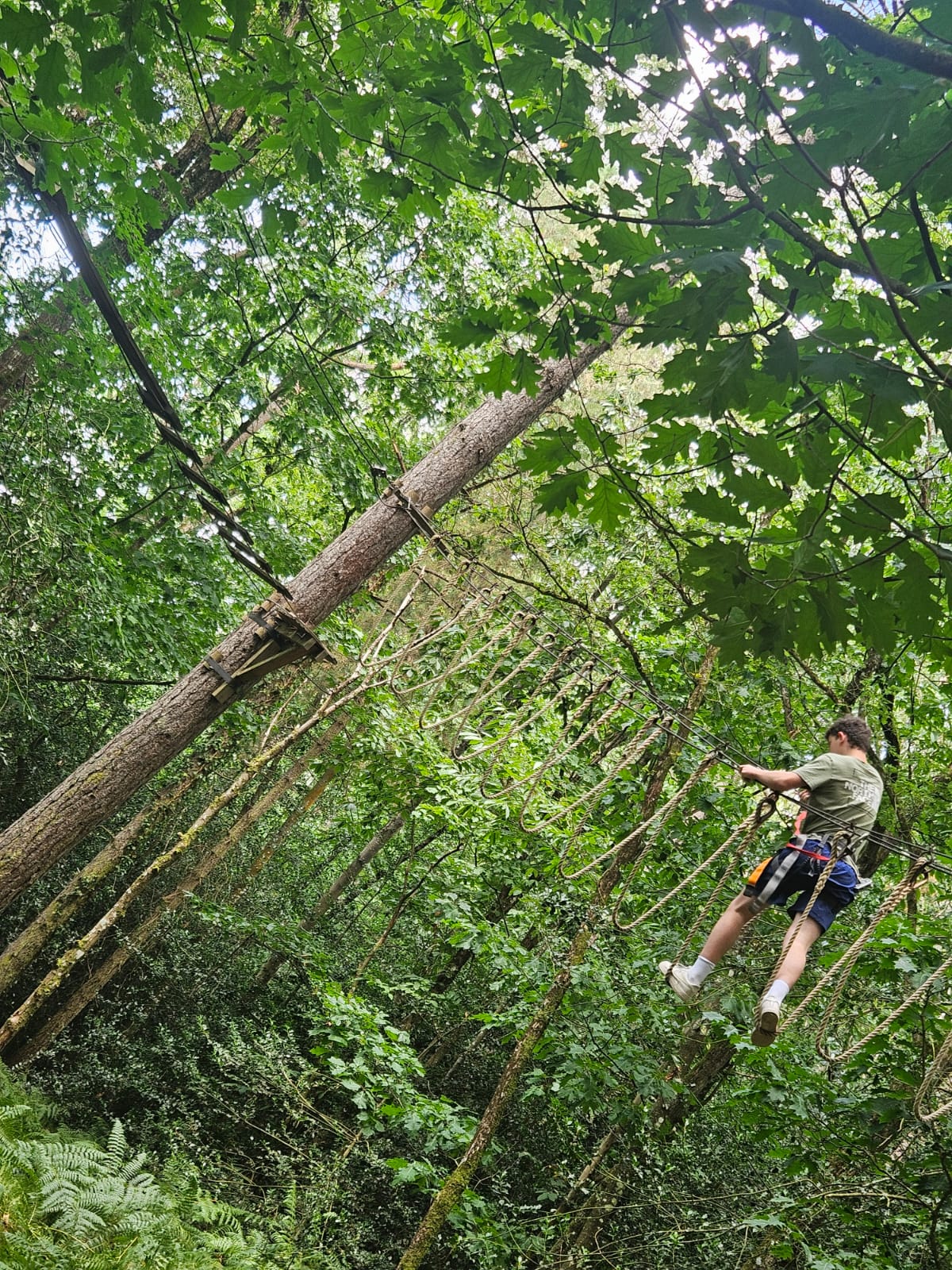
Enrichment and the purpose of formal education have drifted apart in recent years. Edtech will not disappear and the Department for Education is unlikely to reduce statistic-gathering anytime soon in favour of meaningful outcomes leading to genuine enrichment. What can schools and teachers do in the meantime? Associations like the Institute for Outdoor Learning, The Council for Learning Outside the Classroom, the Association of Heads of Outdoor Centres and the British Activity Providers’ Association all support providers of learning outside the classroom and outdoor learning. These providers are all part of the enrichment solution for schools.
In support of this, Château Beaumont attended Westminster last month for the release of the All Party Parliamentary Group (APPG) for Outdoor Learning’s report into Access and Equity for Outdoor Learning. To truly enrich the learning inside a classroom, we have to facilitate ways of leaving it: enrichment happens outside. Whether you organise opportunities for this within the school grounds, at a local provider or even on a residential visit (and, if so, why not a school trip to a friendly Château in France…?), you can be confident that you are at the vanguard of preparing our children for the future.